
19 September 2026
Can Cupping Therapy Really Help You Recover?
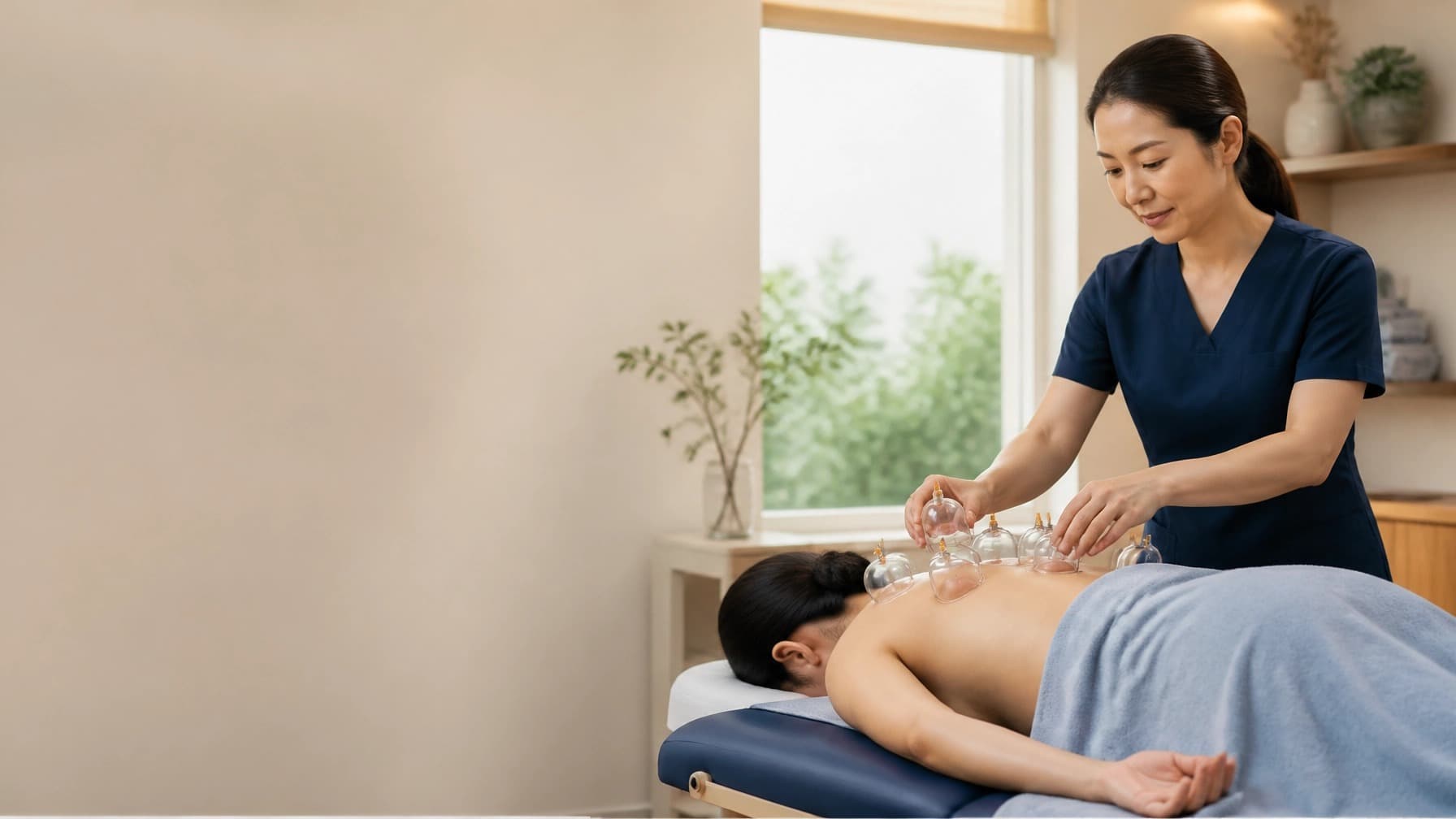
If you have searched for ways to manage muscle pain, stiffness or recovery, you may have come across cupping therapy. It is often easy to recognise by the round marks left on the skin, but you may still wonder: does cupping really help, and is it right for you?
The honest answer is that cupping therapy may provide short-term relief for some people, particularly when it is used alongside a broader physiotherapy program. However, it does not work for everyone, and the results can vary from person to person.
At Komplete Physiotherapy, dry cupping is not something you book on its own. It is one hands-on technique that may be used within a consultation where it is clinically appropriate, and it does not replace assessment, exercise, progressive rehabilitation or medical care when those are needed.
What is cupping therapy?
Cupping therapy involves placing cups on the skin and creating suction. The suction gently lifts the skin and the tissues underneath it. Depending on the type of cup used, the suction may be created with a pump, a valve or another method.
In physiotherapy, the most common approach is dry cupping. This means cups are placed on intact skin, without cutting or piercing the skin.
Wet cupping is different. It involves making small superficial skin incisions before applying the cups to draw out a small amount of blood. Because wet cupping involves broken skin and blood exposure, it carries additional risks, including infection, bleeding and scarring. Wet cupping is not part of physiotherapy practice and is not offered at Komplete Physiotherapy. It is described here only so you can tell the two approaches apart.
Where cupping is used in physiotherapy, it is generally dry cupping.

What are the possible benefits of dry cupping?
Research into cupping is still developing. Some studies suggest it may help with short-term pain and comfort, while other research has found that its benefits are less clear when compared with sham treatment or other active treatments.
This means cupping may be useful for some people, but it does not work in exactly the same way for everyone.
Possible short-term benefits include:
1. Temporary pain relief
Some people report reduced pain during or after cupping therapy. This may be useful for certain types of muscle and joint pain, including some cases of neck pain, lower back pain, shoulder discomfort or general musculoskeletal pain.
It is important to understand that pain relief may be temporary. Cupping does not necessarily address the underlying cause of your symptoms, such as reduced strength, poor movement control, an irritated joint or an injury that needs time to heal.
A physiotherapist can help identify what may be contributing to your pain and decide whether cupping is an appropriate addition to your treatment plan.
2. Reduced muscle tightness
The pulling sensation created by the cups may help some people feel less tight or restricted in a particular area. You may notice a short-term change in how the muscles feel or how easily you can move.
However, feeling less tight does not always mean the tissue itself has changed. Longer-term improvements usually depend on addressing the factors that keep contributing to the problem.
This may include strengthening, mobility work, changes to activity levels, posture advice, sleep strategies or a gradual return to work, sport or daily activities.
3. Improved comfort with movement
If pain or muscle tightness is making movement uncomfortable, temporary relief from cupping may help you move more easily during a rehabilitation session.
For example, a physiotherapist may use cupping before gentle exercises or movement practice if it helps you feel more comfortable. The goal is not simply to apply cups and stop there. The goal is to help you participate in the active parts of your recovery.
4. Relaxation
Some people find cupping calming. The sensation may encourage you to relax an area that feels tense or guarded. The quiet, hands-on nature of treatment can also help you feel more aware of your breathing and body.
Relaxation can be valuable, but it is not the same thing as a proven medical effect. Your response will depend on your symptoms, health, expectations and the wider treatment approach.
What does a cupping session feel like?
During dry cupping, you may feel a gentle pulling, stretching or pressure on the skin. Some areas may feel more sensitive than others. The treatment should not feel sharply painful or excessively uncomfortable.
Your physiotherapist should check how you are feeling during the session and adjust or remove the cups if needed. Cups are usually left in place for a limited period, depending on the treatment goal and your response.
After treatment, it is common to notice:
- Round red, purple or darker marks
- Mild tenderness or soreness
- A feeling of tightness around the treated area
- Temporary skin sensitivity
- Occasionally, mild fatigue, light-headedness or nausea
The circular marks are generally understood to be caused by increased blood flow and small blood vessels responding to the suction. They are not a sign that toxins have been removed from your body. The marks generally fade over several days, although they can sometimes last longer depending on your skin, the strength of suction and the area treated.
Cupping can occasionally cause skin irritation, blisters, burns, scarring or infection. These risks are more concerning with wet cupping, or when treatment is performed without appropriate training and hygiene practices.
Cupping should be part of a bigger recovery plan
Cupping therapy is best considered an adjunct, rather than a standalone treatment.
A complete physiotherapy plan may include:
- A physical assessment
- Education about your condition
- Individualised exercises
- Strength and mobility training
- Balance and coordination work
- Advice about work, sport or daily activities
- Manual therapy where appropriate
- A gradual return to normal function
- Monitoring and progression over time
Rehabilitation physiotherapy focuses on helping you improve your movement, strength, confidence and ability to manage everyday activities. Cupping may be included as a short-term option if it supports those goals, but it should not replace active rehabilitation.
Who should seek advice before cupping therapy?
Cupping may not be suitable for everyone. Before treatment, tell your physiotherapist about your health history, current symptoms and all medications you take.
You should seek advice before treatment, or may need to avoid cupping, if you have:
- Fragile, thin or easily damaged skin
- An active skin infection, rash or significant dermatitis
- Open wounds, cuts or healing incisions
- A bleeding or clotting disorder
- A history of excessive bruising
- An implanted electronic device near the treatment area
- A current or previous blood clot in the area
- Significant heart, kidney or liver disease
- Cancer or another condition requiring specialist medical care
- Reduced sensation in the treatment area
- A condition that affects your ability to communicate discomfort
Extra care may also be needed for older adults, people with frailty, pregnant people and those with complex medical conditions. This does not automatically mean treatment is impossible, but it does mean that a careful suitability assessment is important.
If you take blood-thinning medication, do not stop taking it to receive cupping. Instead, tell your physiotherapist and discuss whether another treatment option would be safer.
When should you see a doctor?
Cupping is not appropriate as a substitute for medical assessment when symptoms may indicate a more serious problem.
Seek medical advice for unexplained, severe, worsening or persistent pain, and for unexplained weight loss, fever or severe swelling. Call 000 or go to your nearest emergency department for chest pain, or for sudden weakness, loss of sensation, or any change in bladder or bowel control. These can indicate a serious problem that needs same-day assessment. Also seek prompt medical review for pain that follows a serious injury.
Your physiotherapist can work with your doctor or other healthcare professionals when appropriate.
Is cupping therapy right for you?
An individual assessment is the way to decide. Your physiotherapist can discuss your goals, examine the affected area and explain the possible benefits and risks.
If you are considering cupping for work-related pain, a motor vehicle accident injury, or rehabilitation under the Aged Care Support at Home Program, your treatment plan should be based on your specific needs and on what your insurer or program approves. Cupping should only be included where it is suitable and contributes to your broader functional goals.

Komplete Physiotherapy helps people rebuild strength, movement and confidence after injury or surgery, including home visits for people who find it difficult or inconvenient to travel to an appointment.
The bottom line
Cupping therapy may help some people experience temporary pain relief, reduced muscle tightness, relaxation or more comfortable movement. However, the evidence is still developing, and results vary from person to person.
A sensible approach is to treat cupping as one optional tool within a personalised rehabilitation plan. It should be combined with assessment, education, exercise and progressive rehabilitation rather than used instead of them.
If you want to know whether dry cupping may be appropriate for your symptoms, speak with a qualified physiotherapist who can help you make an informed decision. To talk it through with Komplete Physiotherapy, give us a call. Cupping is not charged as a separate service; consultation types, durations and total fees are listed on our Funding and Fees page at kompletephysio.com.au/funding-and-fees.
Further reading
These are independent organisations and Komplete Physiotherapy is not affiliated with them:
- Cupping Therapy, Cleveland Clinic (my.clevelandclinic.org)
This article is general information and does not replace an individual assessment by a qualified health professional.